Istanbul
Istanbul reveals itself in layers—ferries, prayer calls, tea-light evenings. A culture-first guide to neighborhoods, etiquette, heritage stays, food rituals, and shopping with context—built for travelers who want rhythm, not a checklist.
Istanbul Announces Itself in Layers: A Culture-First Slow Travel Guide
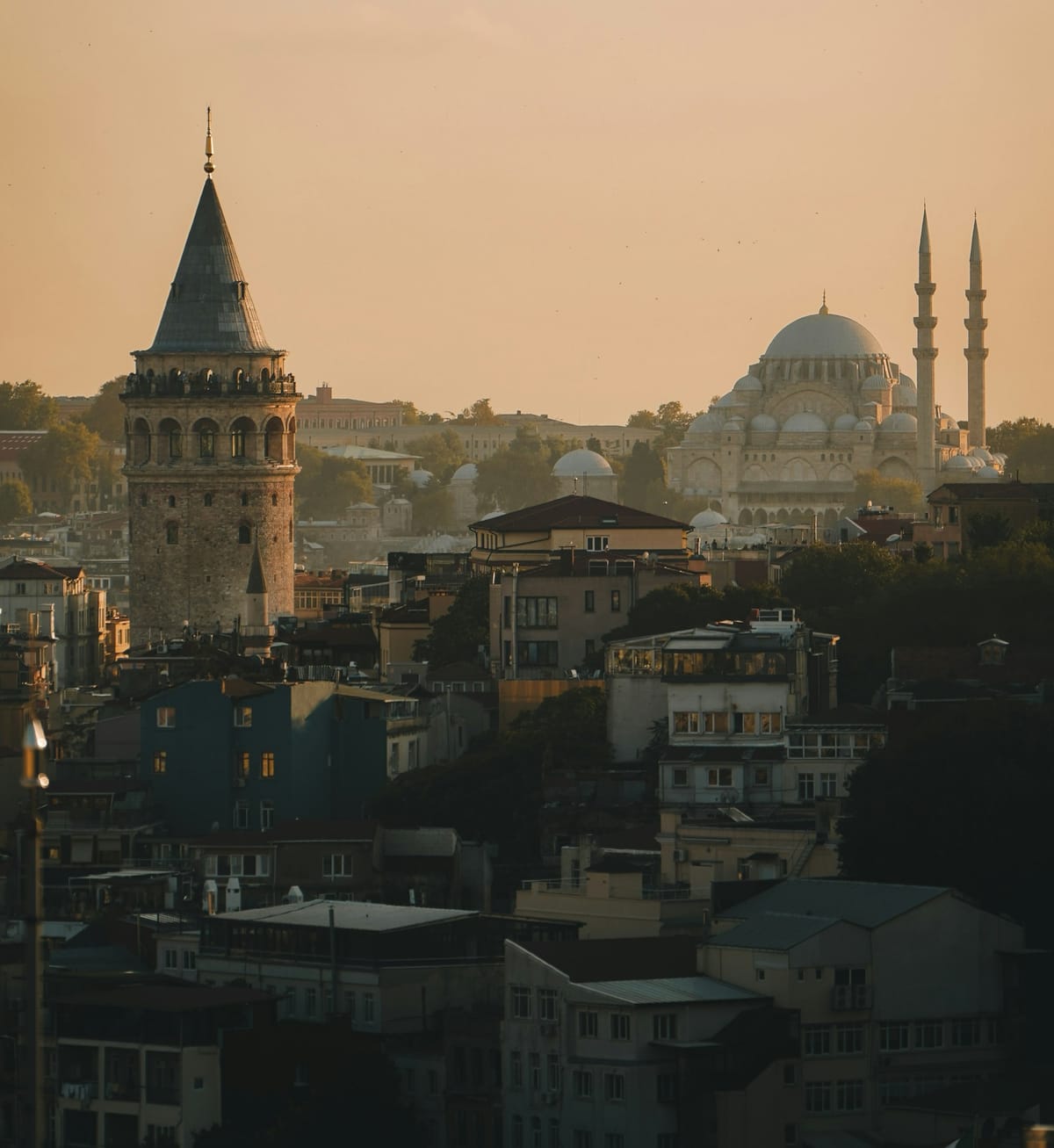
Istanbul announces itself in layers—ferry horns on the Bosphorus, prayer calls folding into street chatter, tea glasses catching late light in Beyoğlu. It’s a city that doesn’t “start” so much as it tunes itself, hour by hour, until you’re moving at the same frequency.
This Istanbul travel guide frames the journey as culture-first, tracing how daily life is shaped by water, empire, and rituals. Along the way, the guide will help readers understand what the city asks of their attention, how neighborhoods signal mood, and why small choices—timing, pacing, where to linger—often matter more than a packed plan.
For Wanderlust Tapestry, this is travel as observation, not accumulation. Expect orientation before detail, and a calm sense of how to move through Istanbul’s textured streets—measured, present, without losing the thread that connects them.
No spam. Unsubscribe anytime. Sign up for Wanderlust Tapestry Curated journeys. Cultural depth. Inspired travel.Arriving in Istanbul: learning the city’s rhythm before the sightseeing starts
Istanbul rarely rewards speed. The city reads like a palimpsest—layers of empire, trade, faith, and modern life written on the same streets. The smartest first move isn’t a museum ticket or a long walk. It’s learning the tempo: when the ferries fill, when cafés empty, when the call to prayer quietly changes the sound of a neighborhood. Once that rhythm clicks, the rest of the trip feels calmer, and the “what should we do today?” question starts answering itself.
A culture-first route begins with orientation. Istanbul is not one center with attractions orbiting it. It is a set of districts with different habits, different hours, and different ways of using public space. Knowing where to wake up, where to wander in late afternoon, and where to eat when locals actually eat is the difference between seeing the city and feeling it.
And here’s the part most people miss: Istanbul is a food city, but not in a “reservation sprint” way. It eats in time. Morning is commuter-soft and handheld. Evening is where the table becomes social infrastructure. Late night prefers a sweet landing to a louder ending. Match your meals to those rhythms and the city becomes easier to read.
Where Istanbul begins to make sense: Sultanahmet, Beyoğlu, Kadıköy—and why each feels different
Sultanahmet: the ceremonial city
Sultanahmet is Istanbul in its ceremonial voice. The streets around major landmarks invite early starts, quiet steps, and a slower kind of attention. Mornings here feel almost staged—not in a fake way, but in the sense that domes and courtyards set the pace. It is ideal for history walks before the day warms and tour groups arrive. In the early hours, the city’s grand story is easiest to hear: stone, water, shade, and the soft choreography of people heading to work.
Beyoğlu: the conversational city
Beyoğlu speaks in a more restless register. It is street life—cafés, bookshops, galleries, side streets that reward drifting. The energy is social and outward-facing, with a European-edge architectural mix and a habit of staying up later. Even when it is crowded, Beyoğlu feels like a place where people are going somewhere, meeting someone, stopping for something small that turns into an hour. It shapes the day by pulling attention toward conversation and people-watching: the city as lived, not only visited.
Kadıköy: the city at ease
Kadıköy (on the Asian side) is where the city relaxes into itself. The pace is local—errands, market bags, weekday routines. Meals matter here, not as an occasion, but as daily pleasure. Kadıköy is a good antidote to the historic peninsula’s intensity, especially if your trip needs a few hours that feel unplanned. The ferry ride over already resets the nervous system; water has that effect in Istanbul.
The Bosphorus edge: where the city goes to breathe
Then there is the Bosphorus edge—whichever side of the strait you find yourself on—the place the city goes to breathe. Along the water, Istanbul becomes simpler: walkers, fishermen, tea, the slow glide of ships. It is not about checking off a sight. It is about giving the city space to arrive in the body. A short waterfront walk can do more for orientation than another hour on a crowded street.
A practical insight on timing that changes everything
Sultanahmet tends to feel busiest from late morning through mid-afternoon (roughly 10:00–16:00), then it quiets at night once day-trippers thin out. Beyoğlu swells later, especially in the early evening commute and into the night, when streets like İstiklal become a moving current. Kadıköy’s edges are shaped by real workday rhythms, with ferry and transit peaks in the morning and early evening.
If the day feels too loud, Istanbul often softens early in the morning, or later in the evening, when the city’s pace turns private again.
Small cultural notes that save you awkward moments: mosques, greetings, and the art of slowing down
Istanbul is welcoming, and it is also a city where living traditions share space with visitors. The goal is not perfect behavior. It is awareness—and letting everyday etiquette take pressure off.
In mosques, dress is usually straightforward: shoulders and knees covered is a safe baseline. In some places, women are asked to cover hair with a scarf (many entrances provide scarves if needed). Shoes come off before stepping onto carpeted prayer areas, so footwear that slips on and off easily makes life easier.
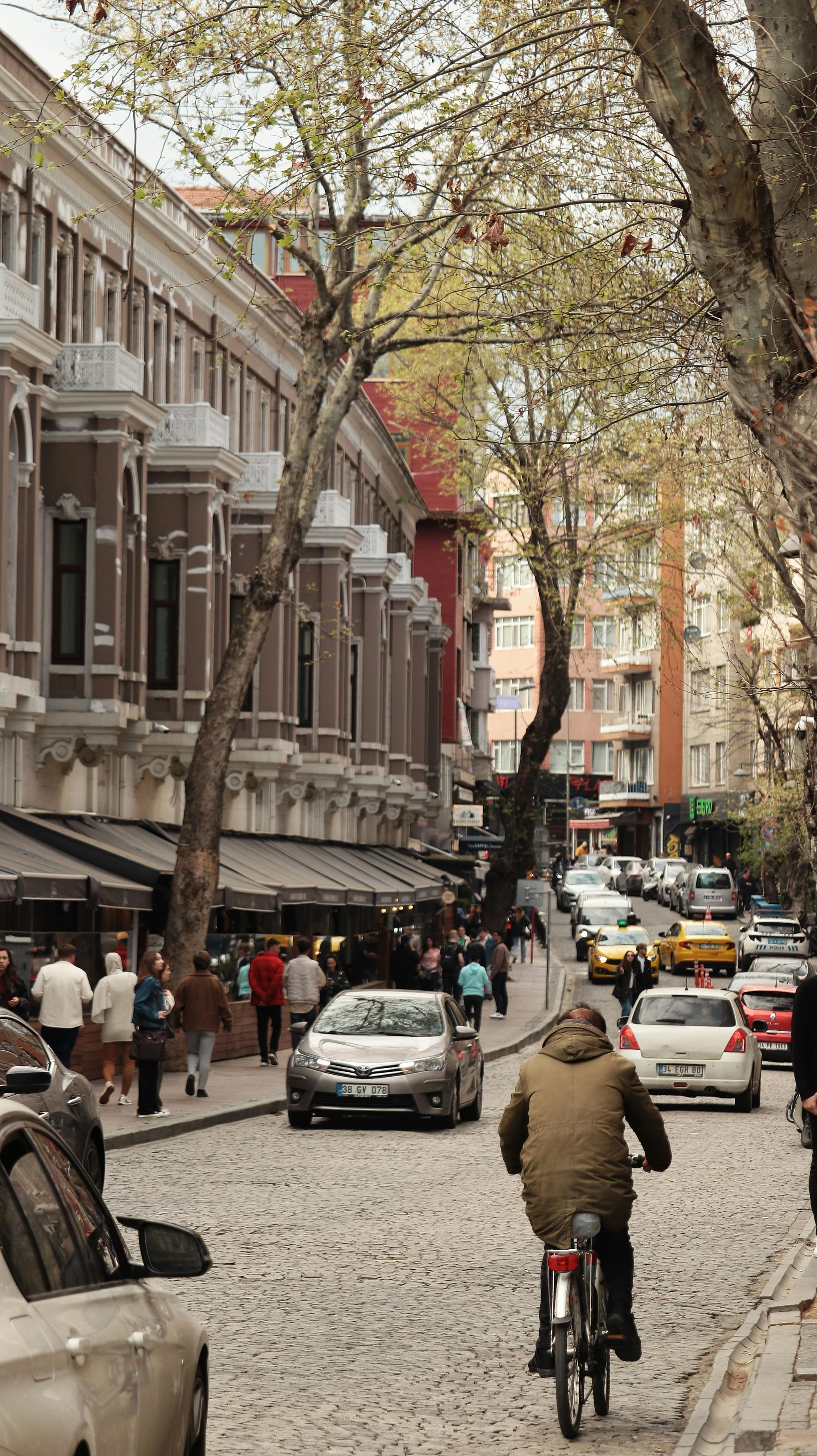
For a gentle, traveler-friendly overview of what to wear and how to act inside, Fodor’s notes on visiting Istanbul’s mosques are clear without being heavy-handed.
A small greeting goes a long way. “Merhaba” (hello) is enough for most encounters, whether it is a shopkeeper or a café server. The tone matters more than the accent. Istanbul runs on daily exchanges that are brief but warm: eye contact, a nod, a simple thanks.
Prayer times shape the day in a way that is easy to respect without overthinking. Visitors can enter many mosques outside prayer periods, but spaces may close briefly or redirect foot traffic. If you arrive and it feels like you are in the way, step back and wait a few minutes. The reward is seeing a living place rather than a static monument.
Photography is similar. In busy courtyards and active worship spaces, it helps to pause before raising a camera. If someone is praying, avoid framing them up close. If a sign asks for no photos, treat it as part of the atmosphere, not a barrier.
Tipping expectations are simple when kept modest. In restaurants and cafés, people often leave a small tip if service is attentive, and rounding up is common. For taxi rides, some travelers round up to a convenient amount. None of this needs to become a performance.
Staying with intention: heritage mood, recovery, and choosing a hotel that regulates the day
In Istanbul, the hotel is not just where the suitcase lives. It is the first and last frame of the day, and it quietly determines how the city is absorbed. A stay chosen with intention supports the kind of travel this route is built for: mornings that begin without friction, evenings that feel unforced, and enough calm to recover from the city’s sensory density.
Two approaches tend to work especially well, depending on how you want Istanbul to meet you each day.
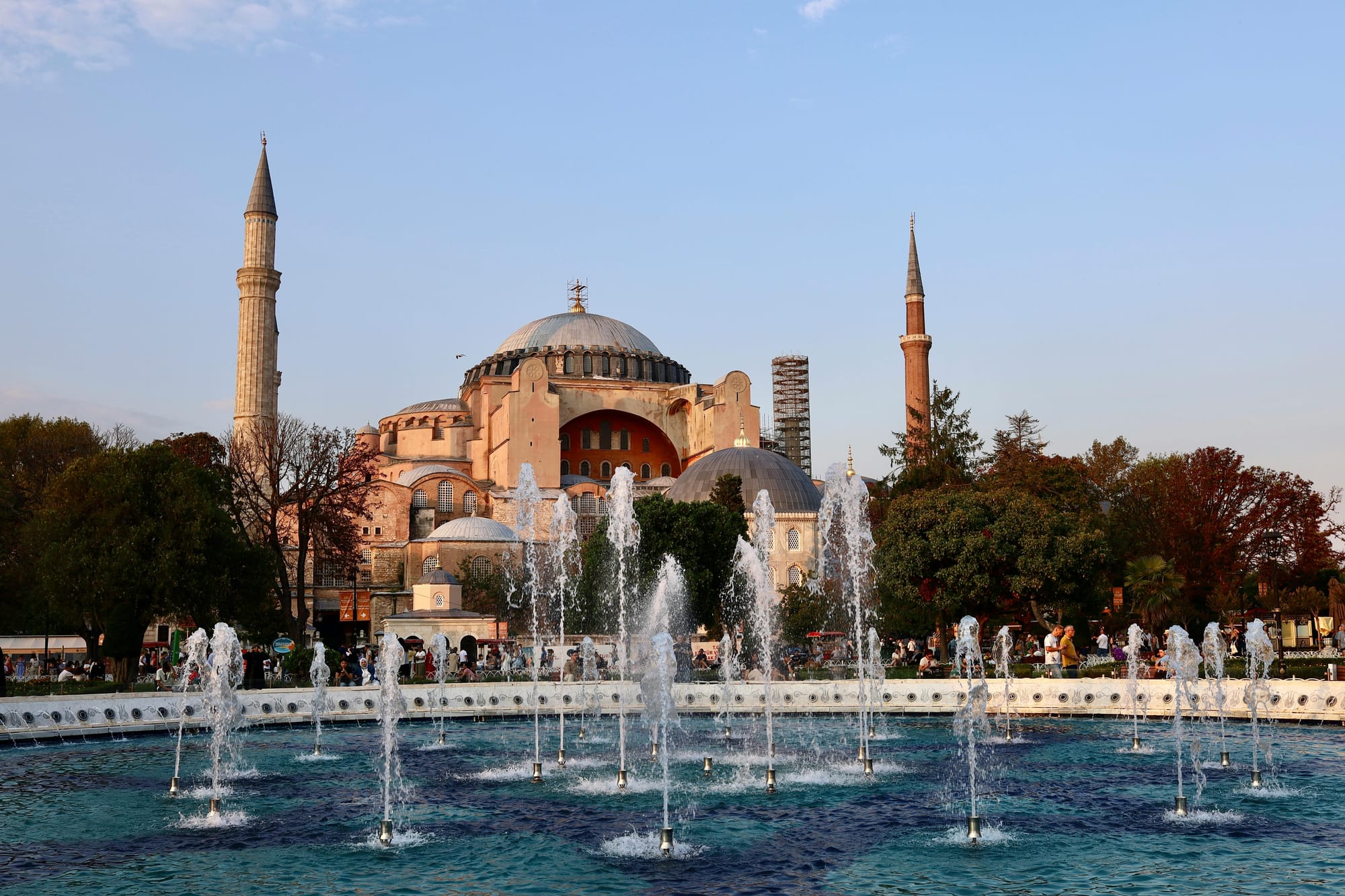
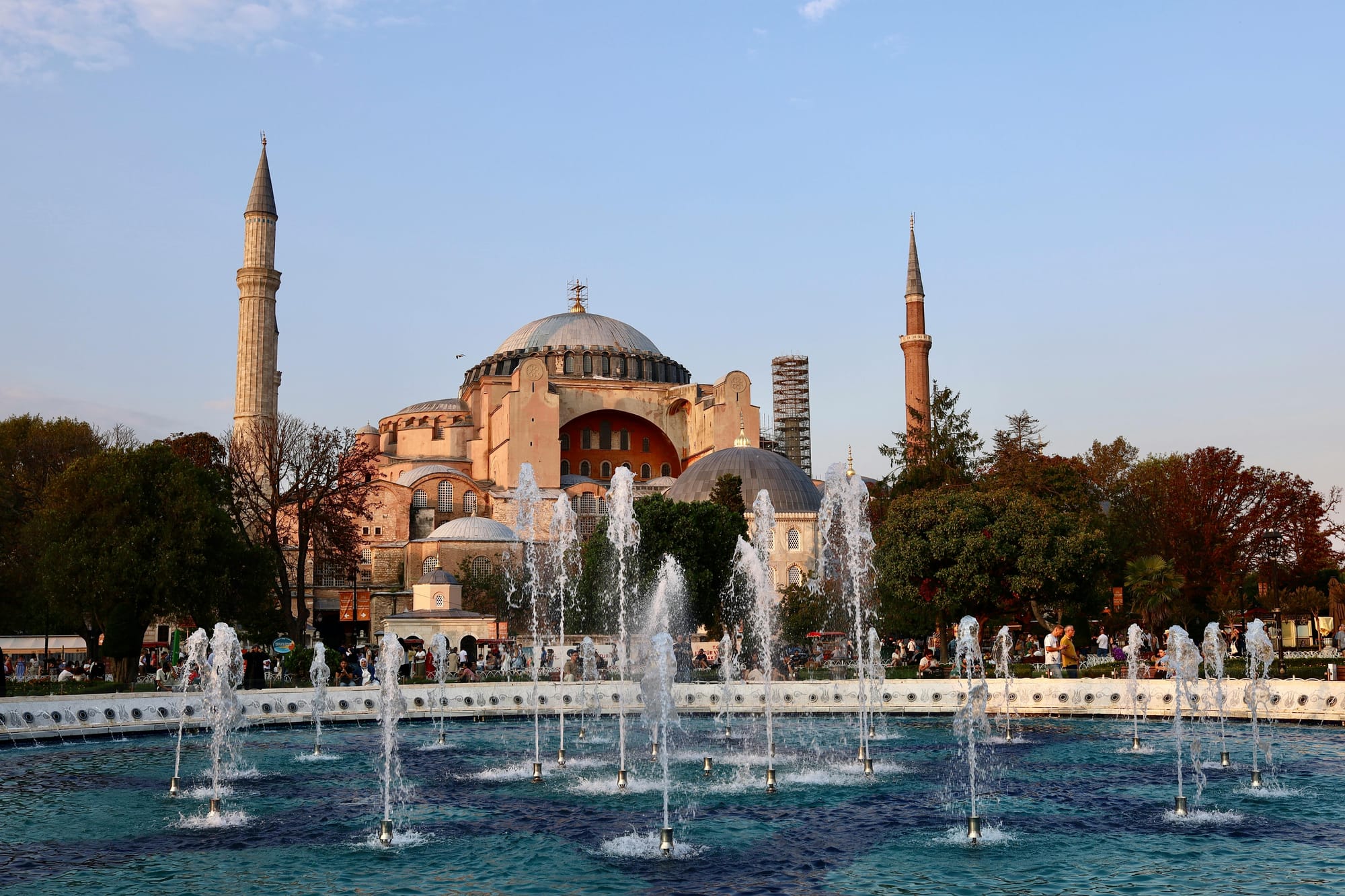
If your priority is early mornings in historic Istanbul, staying within or just beside the old city allows the ceremonial parts of the day to happen before the streets fill. Stepping into Sultanahmet at dawn—when courtyards still hold night air and footsteps sound deliberate—changes the relationship to the monuments. They feel inhabited rather than staged. Just as important is the ability to retreat easily later, when the density builds. Being able to pause, reset, and re-emerge keeps the historic core from becoming a test of endurance.
A refined expression of this balance is Four Seasons Hotel Istanbul at Sultanahmet, a former prison transformed into a courtyard sanctuary. Outside its gates, the city carries centuries of intensity. Inside, the pace softens. The contrast is the point: proximity without pressure, immersion without exhaustion.
A quieter alternative with similar advantages is Hagia Sophia Mansions, where restored Ottoman-era houses create a residential rhythm just steps from major landmarks. It suits travelers who want history close, but nights calm.
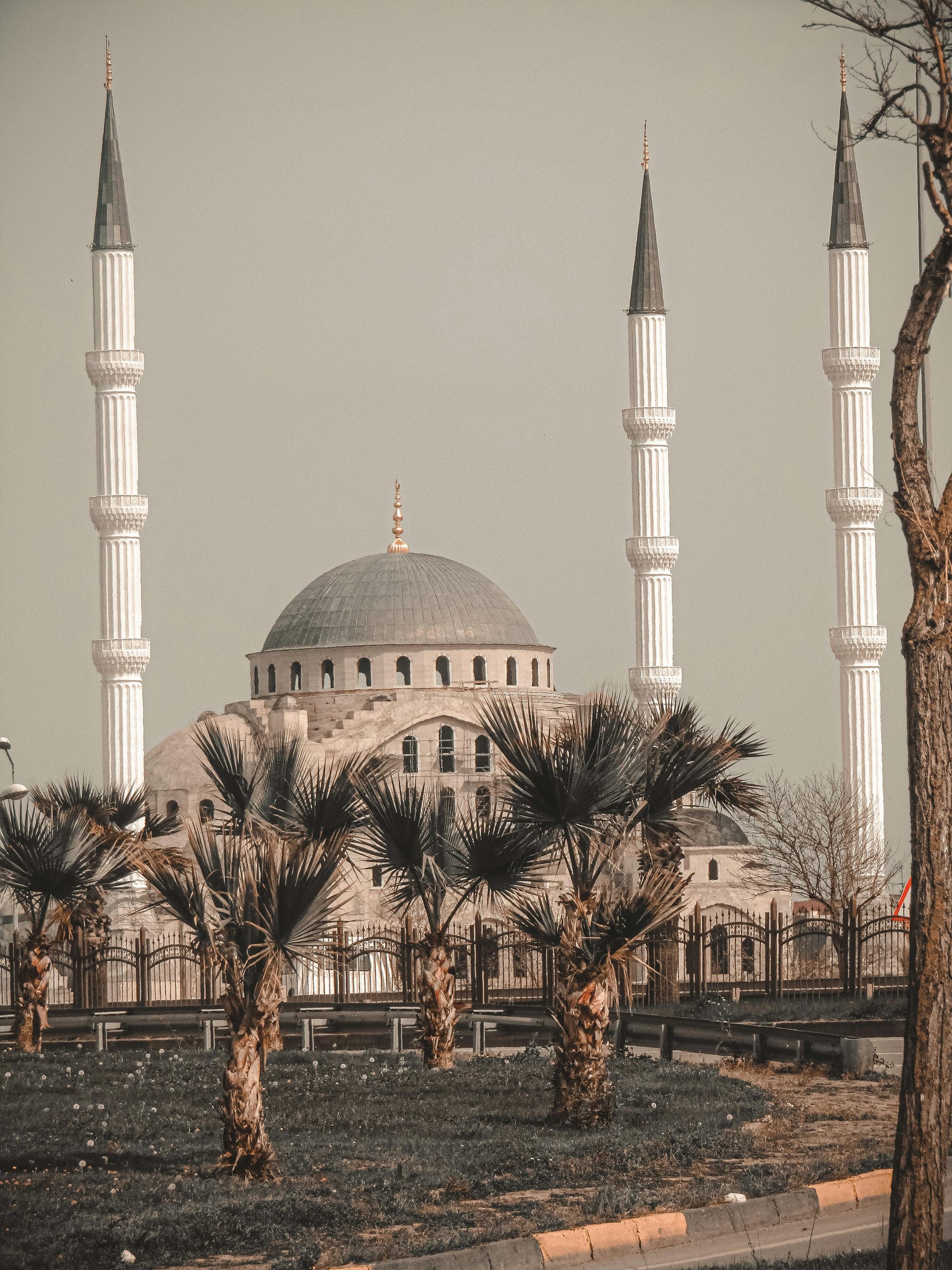
If your priority is contemporary life and social rhythm, a base closer to Beyoğlu reframes Istanbul as a city of conversation, culture, and layered evenings. This part of the city aligns naturally with gallery hours, late lunches, bookstores, and cafés that don’t mind if an hour becomes two. Days here unfold rather than start and stop, shaped more by curiosity than itinerary.
For travelers drawn to heritage with narrative weight, Pera Palace Hotel remains one of the city’s most resonant stays. Built for Orient Express travelers, it understands arrivals. Mornings feel slower, evenings feel anchored. It doesn’t rush you back into the city—it frames it.
A more contemporary counterpoint is Soho House Istanbul, set within a restored palazzo near Istiklal. Here, the city’s creative pulse feels immediate, but the interiors remain composed, offering balance between social energy and personal space.

Then there is a third way to stay in Istanbul that deserves its own name: the water-city stay.
When the Bosphorus becomes part of the daily view, the city’s logic changes. Water regulates everything—mood, pacing, even appetite. Mornings begin more quietly. Evenings stretch without urgency. Istanbul stops feeling like a series of sites and starts behaving like the port city it has always been.
An intimate example of this approach is The Sumahan on the Water. Family-run and deeply rooted in place, it occupies a restored complex of late-Ottoman industrial buildings from the 1820s, once used to produce suma, the raw spirit that becomes rakı. Rooms open directly onto the strait, ferries slide past at eye level, and the city announces itself through water rather than traffic. Staying here feels lived-in, as if Istanbul is passing through your day rather than demanding pursuit.
At the grand end of the spectrum, Çırağan Palace Kempinski Istanbul expresses the same idea with quiet authority. A former Ottoman palace set directly on the Bosphorus, it reframes Istanbul as a water city first, monument city second. Recovery is built into the architecture—through light, distance, and the steady movement of ships.
Across all three approaches, the same principles apply.
Proximity matters, not for convenience alone, but for timing—being able to experience Istanbul when it is most itself.
Views matter, not as spectacle, but as orientation: domes, water, and skyline reminding you where you are each morning.
Recovery matters, whether that comes from a courtyard, a spa, or simply silence when the door closes.
When the walk back from dinner feels easy, when evenings don’t require logistics, when the hotel supports rather than competes with the day—that’s when Istanbul stops feeling like a project and starts feeling livable.
Food and the culinary arts scene in Istanbul: where daily life tastes like history
In Istanbul, food is less a “dining scene” than a daily script that plays out in public. A sesame ring eaten while walking downhill. A glass of tea placed down with a soft clink. A late sweet shared after the city cools. The point is not to chase novelty. It is to notice how the city eats, when it pauses, and how each bite fits the streets around it.
For a culture-first route, this matters because Istanbul is a walking city. Hills, ferries, courtyards, and long museum corridors quietly shape appetite. The most satisfying meals often come from matching the city’s pace—eating lightly when the day is long, lingering when the evening opens up, and treating tea and sweets as punctuation, not a side quest.
A simple Istanbul eating timeline: breakfast spreads, market lunches, late-night sweets
Turkish breakfast culture can surprise travelers who expect a single plate. It’s a table that arrives in small parts, designed for sharing and for talking. The mood is unhurried, even in busy neighborhoods, because breakfast is where the day is negotiated.
A classic spread often includes white cheese and aged cheese, olives, sliced tomatoes and cucumbers, jams, honey and clotted cream, and bread that keeps arriving warm. Eggs show up in a few familiar forms, including:
Menemen - soft eggs cooked with tomatoes and peppers It feels generous without being heavy, because each item is small and meant to be sampled.
For workday mornings, Istanbul has a second, simpler breakfast that happens on the move:
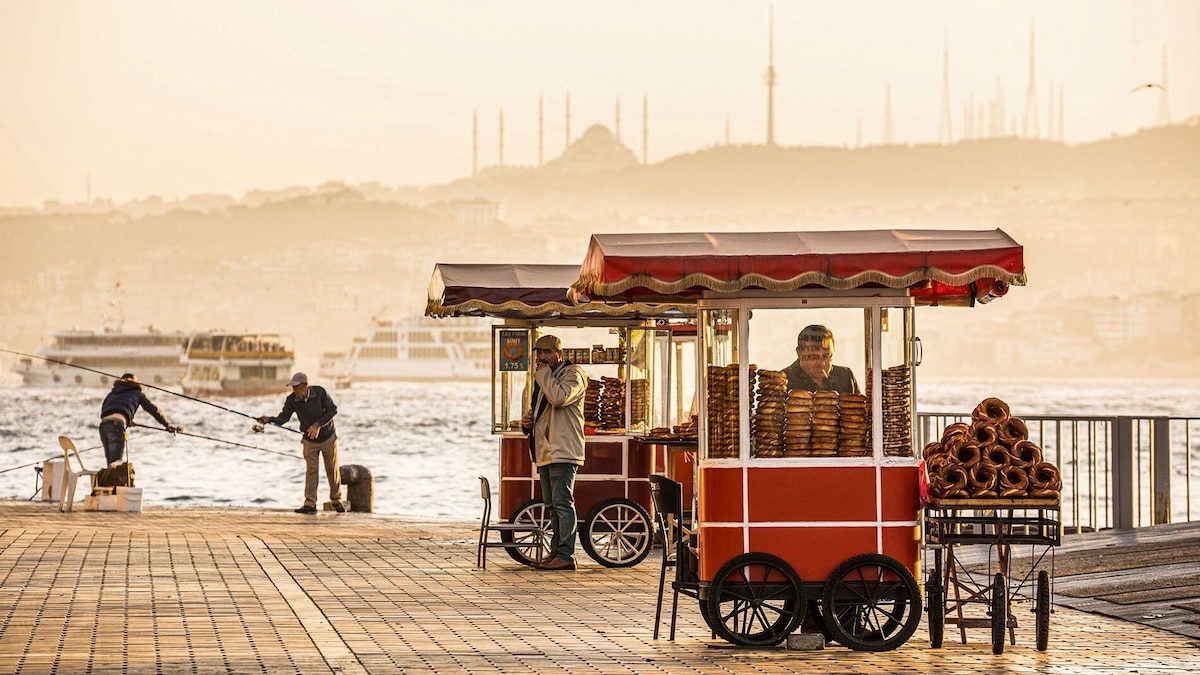
Simit - This sesame-crusted bread ring is bought from a street cart, eaten with quick purpose, and often paired with tea—especially near ferry docks where commuters fold food into transit.
A rough eating timeline helps visitors stop fighting the clock and start moving with it:
| Time of day | What it feels like | What to eat or drink |
|---|---|---|
| Morning | Slow start, table talk, long tea | Turkish breakfast spread, menemen, bread and cheese |
| Late morning | Walking pace, museums, errands | Simit, a second tea, a small pastry |
| Lunch | Practical, market-driven, often quick | Soup, grills, market plates, fish sandwich near the water |
| Afternoon | Reset point between neighborhoods | Tea break, a small sweet, fruit, nuts |
| Evening | Social and lingering | Meze, grilled fish or kebab, shared dishes |
| Late night | Soft landing after noise and crowds | Syrup sweets, milk desserts, Turkish coffee |
A tea break is less a “stop” than a social habit. Tea appears in tulip-shaped glasses at cafés, ferry terminals, and simple lokantas. It lets the body catch up to the city, especially after a climb through Beyoğlu or a long loop around Sultanahmet.
Dessert culture works the same way. Istanbul’s sweet shops are designed for pausing, not just purchasing. The famous names (including Hafız Mustafa 1864) can feel like bright museums of baklava trays and lokum cubes, but the real pleasure is the ritual: sit down, order one or two pieces, and let sugar do what it does best—slow everything down.
A small pacing note makes walking days easier: treat lunch as lighter than expected, then let dinner carry the weight. Istanbul’s distances are deceiving, and its hills add up. If breakfast runs long, lunch can be a soup and something grilled. Save the bigger spread for an evening when the only plan is a slow walk back through lit streets.
What to order so the city opens up: kebabs, fish wraps, meze, and coffee rituals
A good order in Istanbul is rarely about complexity. It’s about choosing a few anchors, then repeating them in different neighborhoods and noticing what changes. The same dish can feel like a different city depending on where it’s eaten and what’s happening outside the door.
Start with simit in the morning. It’s crisp on the outside, soft inside, and designed for movement. Eaten near a ferry dock, it belongs to commuter life. Eaten in a park, it becomes a quiet breakfast with a view.
Then there’s the waterfront classic:
Balık Ekmek - (fish sandwich). Typically grilled mackerel tucked into bread with greens and lemon, it tastes like the Bosphorus has entered the meal. Around Galata Bridge, it’s also a soundscape—lines of anglers, ferry horns, cooks working fast. The sandwich is simple, but the setting gives it weight: Istanbul is still a port city at heart.
Kebabs deserve a clearer definition than most travelers get. “Kebab” here isn’t one thing. It can mean skewers, minced meat shaped over fire, or sliced döner—and each has its own logic. A simple way to order is by texture:
- Skewer kebabs: clean grilled flavor, often with rice or flatbread
- Minced kebabs (Adana-style): spiced, smoky, more intense
- Döner: thin slices, quick and satisfying—often the move between neighborhoods
Even better, balance meat with:
Meze: small shared plates that set the tone for an evening. Meze can include yogurt dips, herb salads, stuffed vine leaves, and warm pastries like börek. The point is variety and conversation. Nothing arrives to “perform.” It arrives to be shared.
A proper meze night often includes:
Rakı, the anise spirit that turns cloudy with water. It’s not about drinking fast. It’s a slow table where plates keep coming, and the evening stretches into a gentle blur of salt, acid, and grilled smoke.
 Ilker Yaman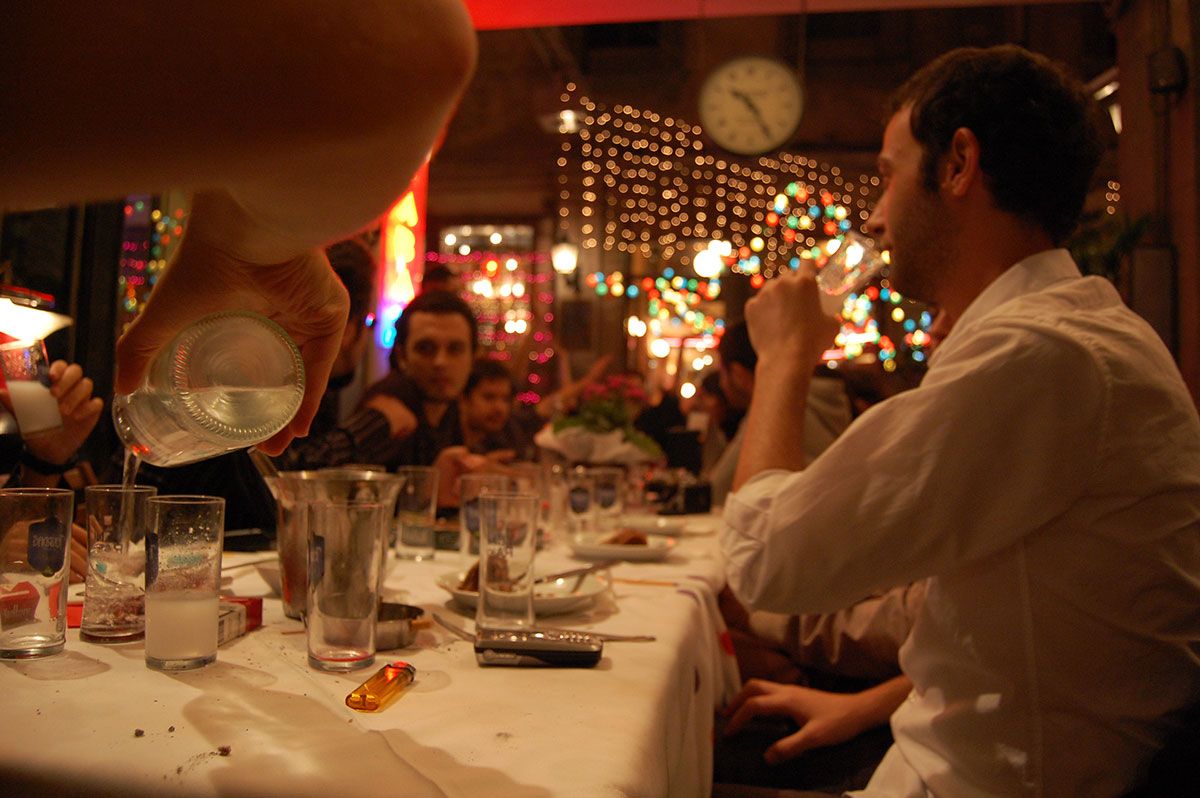
check out this great article and other great resources on Turkish culture
Finish with Turkish coffee, especially after sweets. The cup is small, thick, meant to be sipped slowly. Coffee works like a closing sentence. It signals that the meal has ended—and the night has time.
For readers who like to see the city through everyday detail, Culinary Backstreets’ Istanbul guide offers helpful context on district-by-district food culture without turning it into a checklist.
The culinary arts side of Istanbul: classic kitchens and contemporary plates
Istanbul holds tradition and modern creativity in the same frame—and usually on the same street. A classic lokanta still serves daily dishes with quiet competence, while a small chef-led counter nearby experiments with fire, fermentation, or regional ingredients. This is not a rivalry. It’s a city with many appetites, and room for both.
 Erlend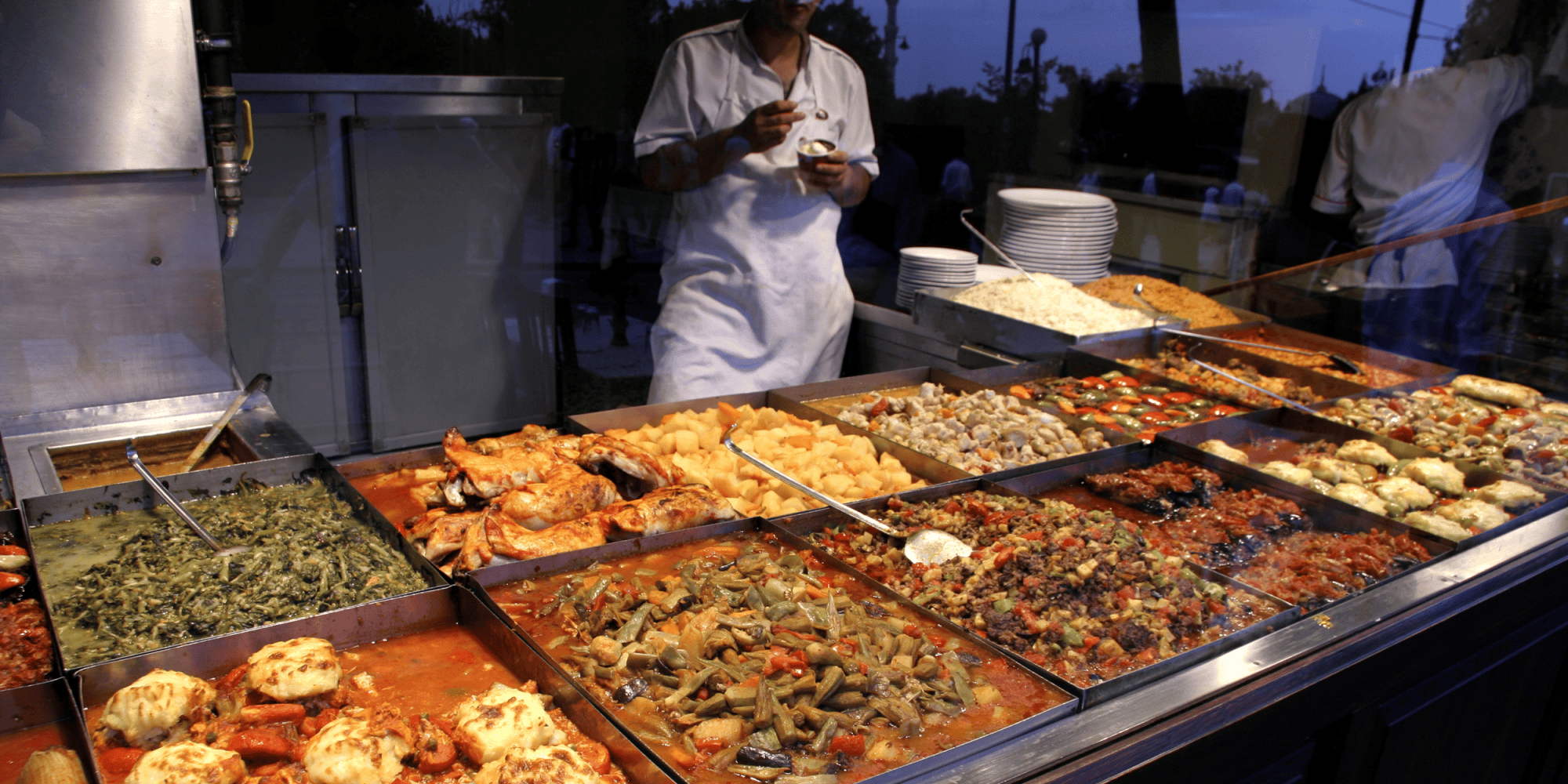
check out Istanbul insider for a great resource for local recommendations by locals
The most rewarding contemporary meals tend to share a few traits: local ingredients treated seriously, menus shaped by season, and cooking that aims for clarity rather than theatrics. Many kitchens are revisiting regional products—heirloom grains, herbs, spice blends—familiar to Turkish diners even when plating looks modern.
A subtle way to read quality:
- Seasonal menus that change without fanfare
- Small counters where the kitchen feels personal
- Neighborhood places with limited options but steady crowds
For a taste of Istanbul’s leading hot spots in its contemporary culinary arts scene, these three restaurants sit at the intersection of technique, heritage, and place. They don’t just cook well—they translate Istanbul onto the plate.
Mikla
Mikla is where Istanbul’s modern culinary identity first learned to speak clearly. Perched above the city with Bosphorus and skyline views, it treats Anatolian ingredients with Nordic-influenced precision—clean lines, restrained plates, and deep respect for terroir. The atmosphere mirrors the food: calm, architectural, quietly confident. Come at sunset, linger through the city lights, and let the tasting menu act as a geographic lesson in Turkey’s regions.000
Neolokal
Neolokal is less about spectacle and more about cultural memory. Set inside the Salt Galata complex, it reinterprets Anatolian home cooking through research, archival recipes, and seasonal sourcing. The room feels thoughtful rather than formal—warm, intellectual, grounded. Dishes reference village kitchens, forgotten grains, and ceremonial meals, translated into contemporary form without losing their emotional weight. This is one of the clearest expressions of food as cultural preservation in Istanbul today.
TURK Fatih Tutak
TURK is Istanbul’s most technically ambitious kitchen. Chef Fatih Tutak brings global fine-dining discipline to deeply Turkish flavors, producing a tasting menu that is bold, layered, and unapologetically intense. The space is sleek and controlled, the pacing deliberate, the flavors concentrated. This is the table for travelers who want to understand how Turkish cuisine performs at the highest international level—without softening its identity.
For broader context and ongoing discovery, these editorial resources track how the city’s dining scene continues to evolve:
 Elite Traveler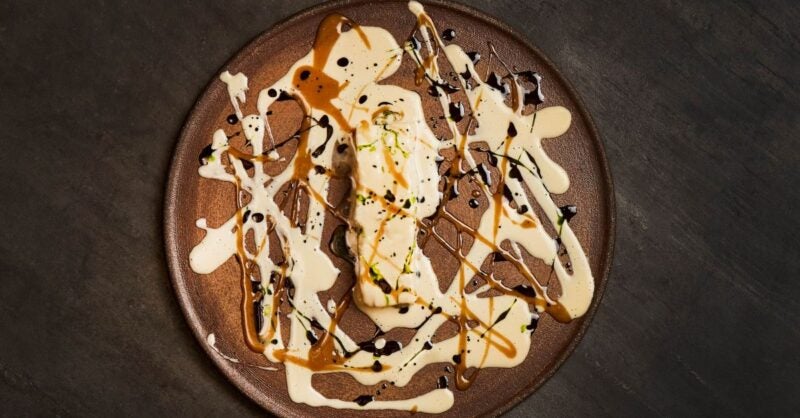


 Caroline Eden
 Istanbeautiful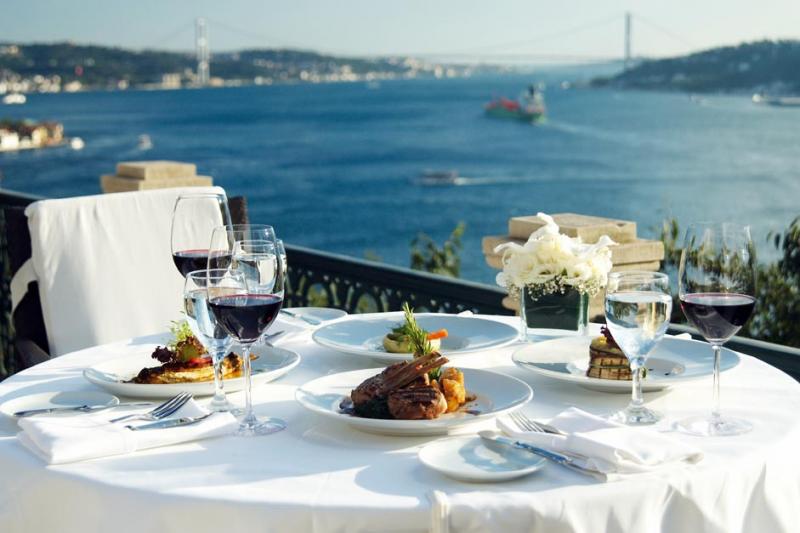
Markets are part of this story too. The Spice Bazaar area isn’t only a shopping stop—it’s an ingredient map. Sumac, dried mint, saffron threads, pepper pastes, roasted nuts teach how Turkish food builds flavor through balance rather than heat alone.
A gentle way to gain context is a food walk framed as learning the pantry of the city. Done well, it clarifies what’s in the tea, why certain sweets taste floral, and how market snacks connect to home cooking.
In the end, Istanbul’s food culture becomes a form of literacy. Once you understand the rhythm—simit on the move, tea as pause, meze as social glue—the city stops being endless options and becomes something more comforting: a place that feeds daily life and quietly teaches how to slow down without missing anything.

Private shopping in Istanbul: buying with context, not just souvenirs
In Istanbul, shopping works best when it feels like reading the city, not collecting proof you were there. A good textile carries a region’s loom logic. A ring carries the habits of a workshop. A spice mix carries someone’s weekly cooking rhythm. The difference between meaningful purchases and forgettable souvenirs is often context—who made it, how it’s used, and what “good” looks like up-close.
Private shopping helps because it slows the moment down. It makes room for questions, quality checks you might not know to do, and the small social cues that keep the exchange warm. In a city built on trade, that matters.
The Grand Bazaar with a private guide: textiles, jewelry, and carpets without getting lost
The Grand Bazaar can feel like Istanbul turned up loud. Corridors fold into each other, shop signs repeat, offers arrive in quick bursts. Even calm travelers can find their attention pulled in ten directions at once. The intensity is not a flaw; it’s the point. This is a working marketplace with centuries of muscle memory, and it still runs on conversation.
A private guide changes the energy immediately. Instead of scanning endlessly, the visit becomes selective. A guide can steer toward sellers known for consistent work, translate the story behind what you’re seeing, and help you notice the difference between something decorative, and something made to last. The Bazaar gets easier once it stops being a maze and starts being a set of crafts.
For textiles, context is everything. A guide can explain why one weave drapes better, why certain dyes age gracefully, and why a piece that looks simple, can be more honest than a loud pattern designed for quick attention. For jewelry, a knowledgeable eye helps with hallmarks, closures, weight, and finishing—the small details that separate solid work from sparkle that fades. For carpets, guidance matters most. A serious carpet conversation is about materials, knot density, origin, and how the pattern is built—not just color.
Haggling is part of the social language here, but it doesn’t need theatrics. A baseline that keeps things respectful:
- Start lower than the first quote, often around 60–70% of the opening price
- Stay polite and steady - tone does more than tactics
- Let silence work; a pause can be more effective than a speech
- Be ready to walk away, not as a threat—as a real option
For a clear sense of the bargaining rhythm without it turning into combat, this Grand Bazaar haggling guide captures tone well:
And pace matters. The Bazaar rewards the traveler who treats it like a long museum visit. Stop for tea when it’s offered, or step out for a quiet glass nearby, then return with fresh eyes. Tea breaks are not lost time. They reset the nervous system, and they help you buy with judgment, not momentum.
Spice Bazaar and beyond: what to look for when buying sweets, saffron, and pantry treasures
The Spice Bazaar (Mısır Çarşısı) hits first through scent. Sumac’s citrus edge, toasted sesame, dried mint, rose, smoke, pepper hang in the air like a layered perfume. Even if you buy nothing, it teaches you how Istanbul cooks—brightness, restraint, balance.
 info
info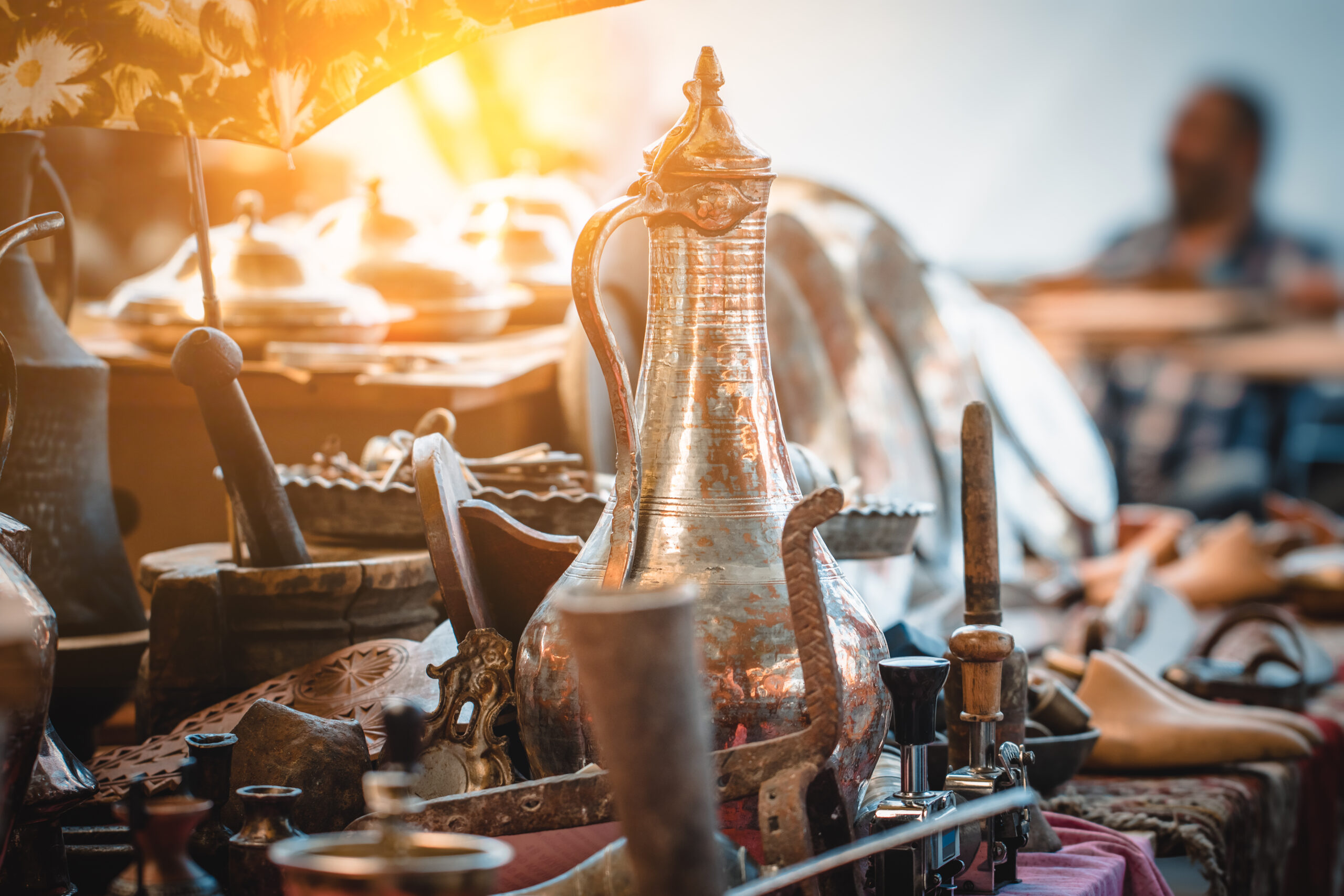
The bazaar’s official site can help orient you before you go
For pantry shopping, the goal is freshness and honest handling. The cues are simple once you know them. Spices should look alive, not dusty. They should smell immediate, not faint or stale. If a vendor invites you to rub a pinch between your fingers, take the offer. Aroma is the real label.
A few grounded checks help:
- Lokum (Turkish delight): look for soft, springy texture and clean scent; avoid trays where pieces are sweating syrup
- Saffron: choose deep red threads, not powder; threads are easier to trust and use
- Spice blends: ask what it’s for; a seller who cooks answers quickly
Packaging matters. If you’re traveling onward, choose vendors who can seal spices and sweets well, ideally in tight bags or containers that keep aroma in and humidity out.
Nişantaşı and Galataport: modern tastes, design finds, quiet luxury
After the bazaars, Nişantaşı and Galataport read like a different Istanbul—not louder or better, just calmer. Browsing here is quieter, more spacious, more design-led. It is where the city’s modern identity shows itself in materials, fit, and restraint.
Nişantaşı carries lived-in elegance. Streets feel residential even when lined with fashion, and the pace rewards slow looking. This is where you notice how Istanbul dresses when it is not performing for visitors: clean lines, careful tailoring, good leather, pieces that work across seasons. Shopping becomes less about bargaining and more about taste.
 Istanbeautiful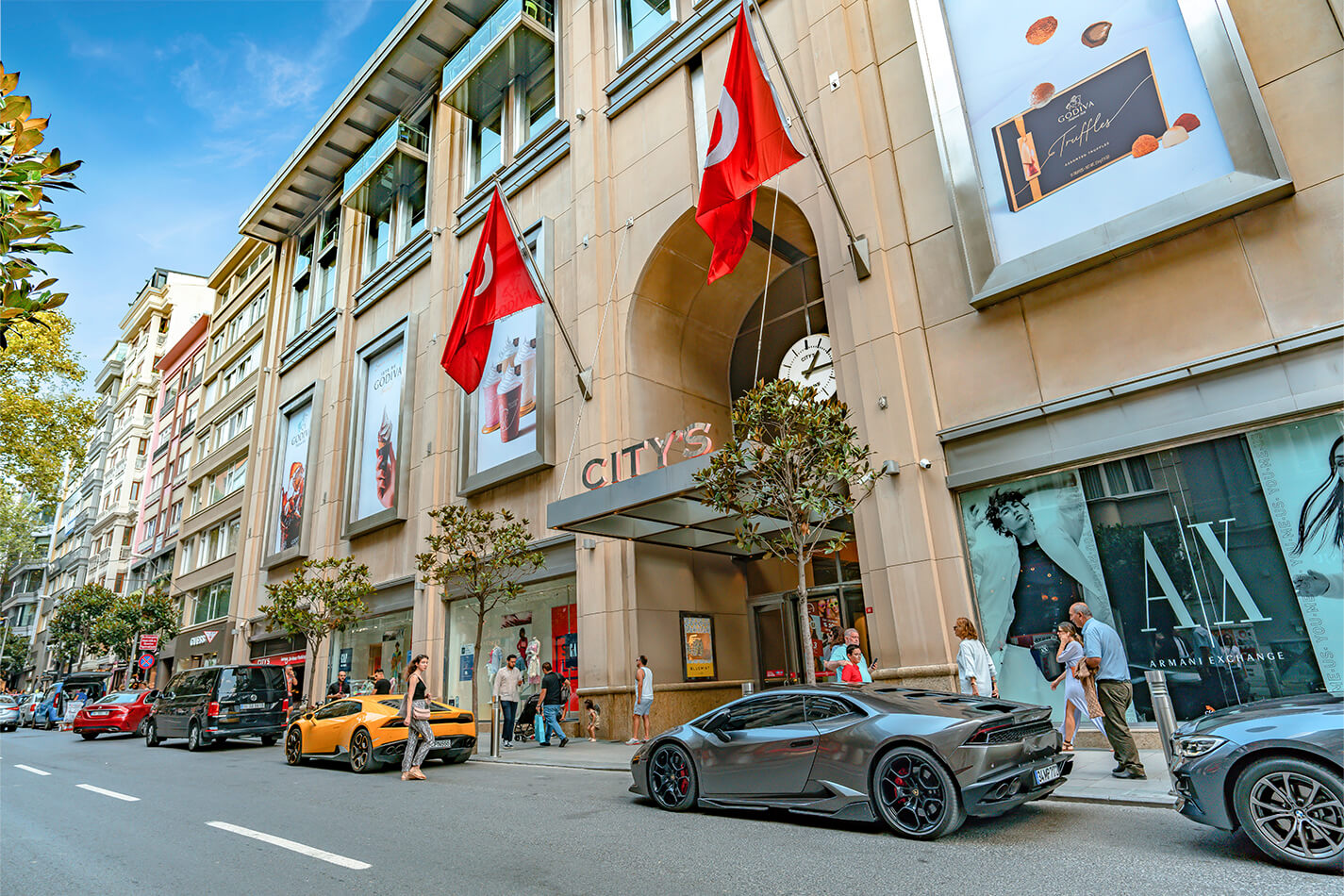
For planning, the check out this article from Istanbeautiful,com is useful before you wander.
Galataport has its own logic: contemporary waterfront retail and public space shaped around Bosphorus light. It is polished, but it can still be a cultural read if you treat it that way. Watch what materials repeat in window displays and how brands position themselves at the water’s edge. Istanbul has always been a port; Galataport is a modern version of that idea.


For planning, the official Galataport store directory is useful before you wander.
Seen together, these districts turn purchases into cultural memory, not just a bag to carry home. The bazaars teach how Istanbul trades and talks. Nişantaşı and Galataport show how it edits and curates.
Istanbul travel guide: staying true to what the city does naturally
This Istanbul travel guide works best when it stays true to what the city does naturally: concentrate history into street-level ritual, water crossings, and meals that arrive on small, shared parts.
The most satisfying version isn’t the one that adds more stops. It’s the one that edits well. A morning ferry. A measured first evening. Time set aside for craft—whether that is hammam maintenance or a quiet hour with coffee and paper. The reward is context: the sense that what’s seen has been earned through attention, not volume.
Thank you for reading. If Istanbul is calling, let it be planned around the city’s true hours, not a packed outline. Leave room for the small details that carry meaning long after the flight home.
If you’d like this destination planned with care, at the right pace, in the right season, Sara Chan specializes in culturally immersive travel that respects the rhythm of place while handling logistics seamlessly.
Plan Your Next Trip with with Sara Chan
Explore bespoke, culturally immersive travel planning with an independent Fora Travel Advisor.
Sara Chan - Independent Fora Travel Advisor
Curated journeys · Cultural depth · Thoughtful pacing
Explore planning support: https://www.foratravel.com/advisors/sara-chan
For ongoing destination guides and cultural travel essays, subscribe here: https://sara-chan.link
Read more Wanderlust Tapestry posts:
 Sara Chan
 Sara Chan
 Sara Chan
Sara Chan is an independent Fora Travel Advisor specializing in culturally immersive, thoughtfully curated travel experiences worldwide.
https://www.foratravel.com/advisors/sara-chan