Destination Spotlight: Fukuoka-slow travel guide
Fukuoka rewards travelers who move at human speed. This slow travel guide explores daily rhythms, yatai food culture, coffee mornings, and easy coastal day trips—showing how the city is lived, not toured.

A Slow, Cultural Travel Guide to Daily Life, Yatai, Coffee, and Coastal Day Trips


Fukuoka in January: A City You Can Join, Not Conquer
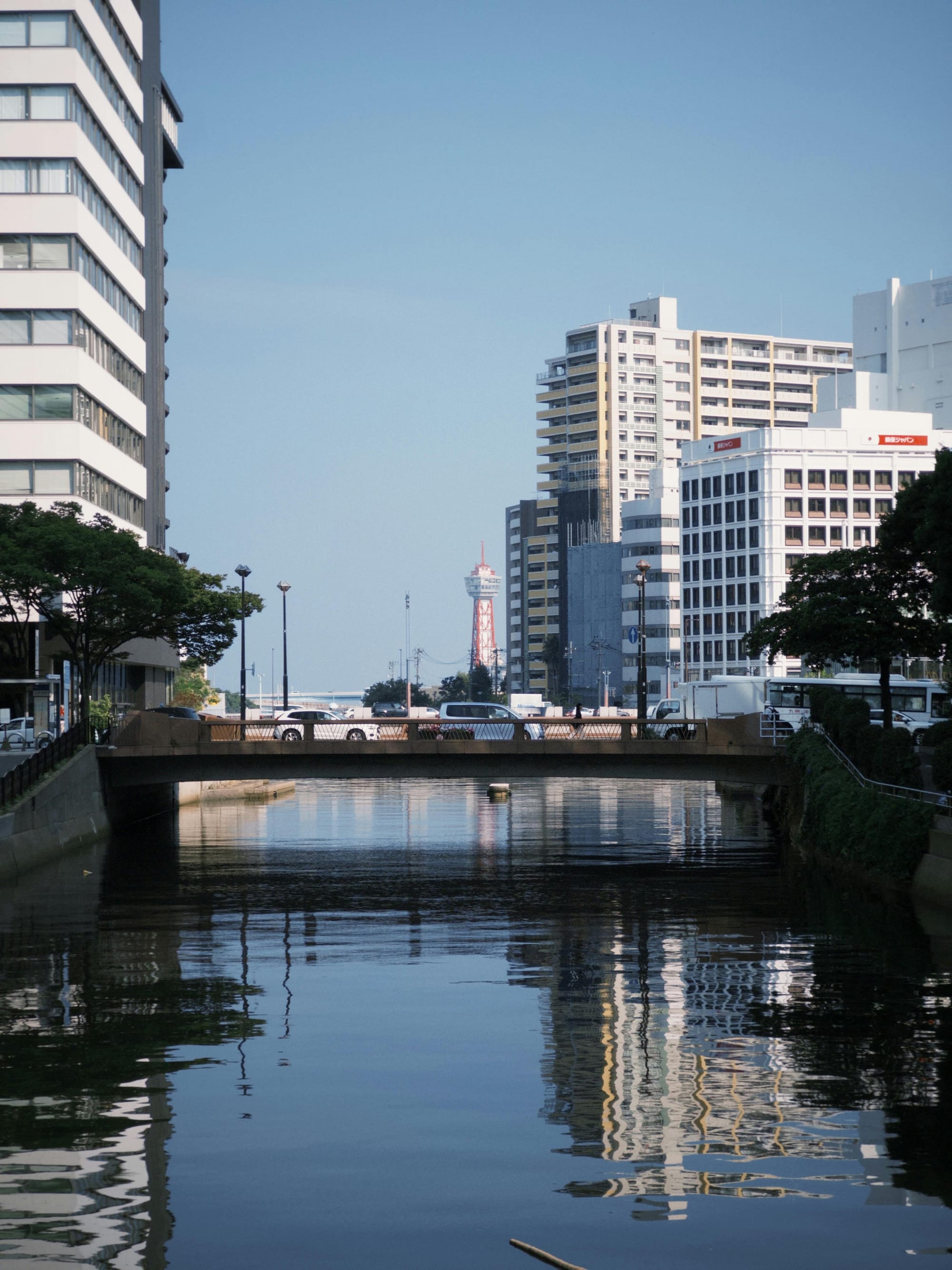
January air in Fukuoka, Japan has a clean edge—the kind that sharpens streetlights and makes steam legible. A few minutes from a station exit, the city already feels close at hand: office shoes tapping tile, a practiced bow at a bakery counter, river wind slipping up from the Naka River as commuters cross bridges with muscle memory.
Morning begins with a cup that warms the hands before it warms the day. By dusk, lantern light gathers along the water and yatai steam rises into the cold like punctuation. Fukuoka doesn’t frame these as highlights. They’re habits—repeated until they become a local language.
This Fukuoka travel guide isn’t about ticking off attractions. It’s about understanding how the city actually works—how time stacks into a rhythm that feels steady, social, and unusually easy to join.
A City That Keeps Good Hours
How Fukuoka’s Daily Rhythm Actually Feels
Set on Hakata Bay, Fukuoka carries itself like a port city that mastered efficiency without adopting urgency. Its compact scale changes everything. Even at peak hours, the pace reads as human rather than hurried.
The city’s two names function like magnets:
- Hakata is practical — anchored by Hakata Station, errands, and daily logistics
- Tenjin feels like the living room—department stores, galleries, sidewalks built for slowing down
Between them, the Naka River acts as a quiet reference point. It helps travelers stop over-planning and start moving intuitively.
Small etiquette does real work here. Platform queues form without friction. Riders let others off before stepping in. Digital payments are common, but cash still smooths things—especially at neighborhood counters and yatai stalls. Service feels calm without being slow, offering space rather than performance.
Morning Starts With Coffee, Not Urgency
Fukuoka’s Quiet Coffee Culture
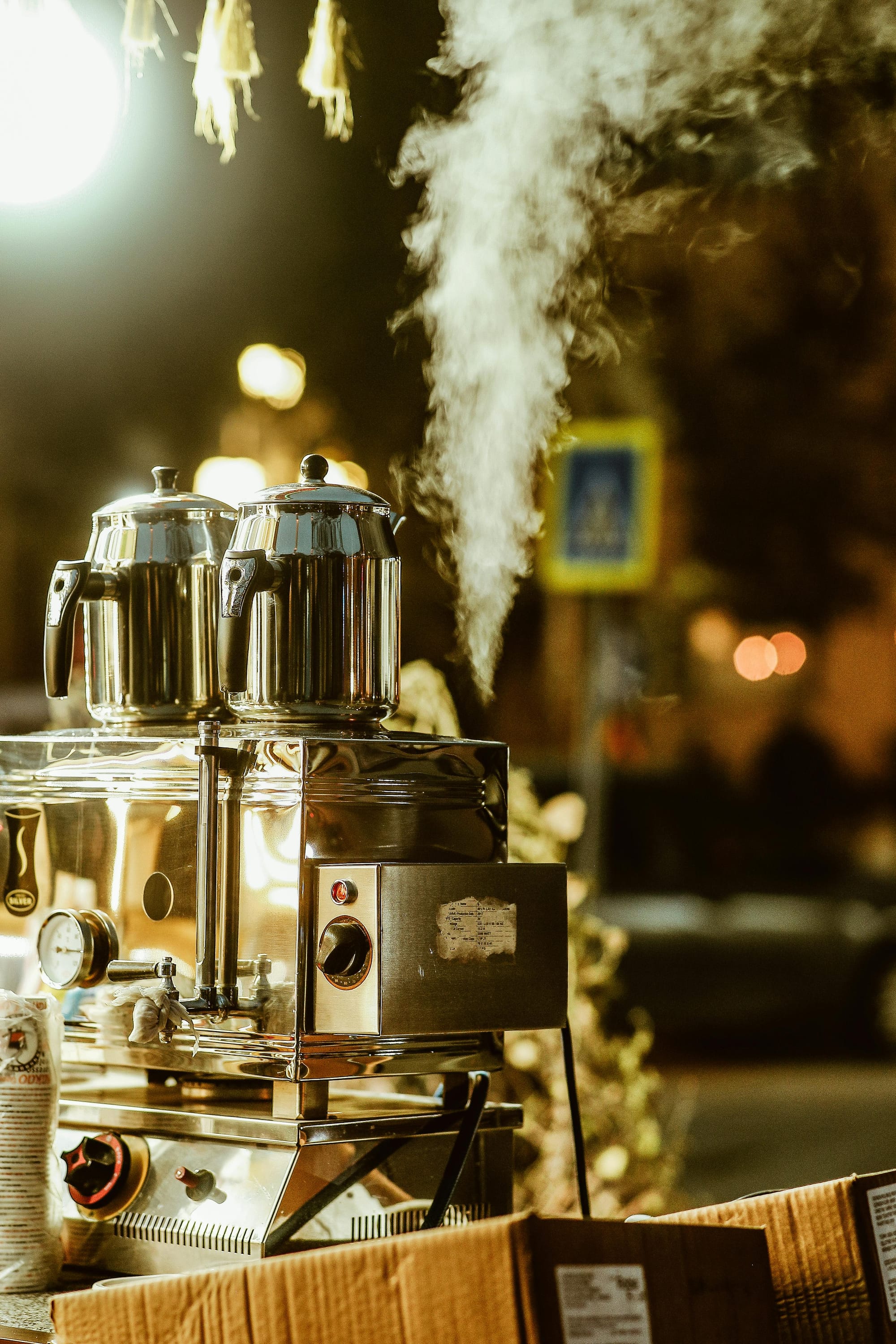
Fukuoka mornings speak softly. Coffee culture splits into two parallel moods:
- Kissaten-style cafés with dim light, toast sets, and unforced stillness
- Minimalist counters where pour-overs are treated as quiet craft
The room tells you how to order—counter or table—without signage. Conversation stays low unless invited. Lingering is normal, as long as it’s considerate: a book open, a phone face down, a cup refilled when the moment asks for it.
This rhythm aligns with broader Japanese café etiquette, well documented by resources like Japan-Guide and the Japan National Tourism Organization (JNTO), but Fukuoka’s version feels especially unselfconscious.
👉 https://www.japan-guide.com
👉 https://www.japan.travel/en/
Afternoons Belong to Errands and Neighborhoods
How Locals Actually Use the City
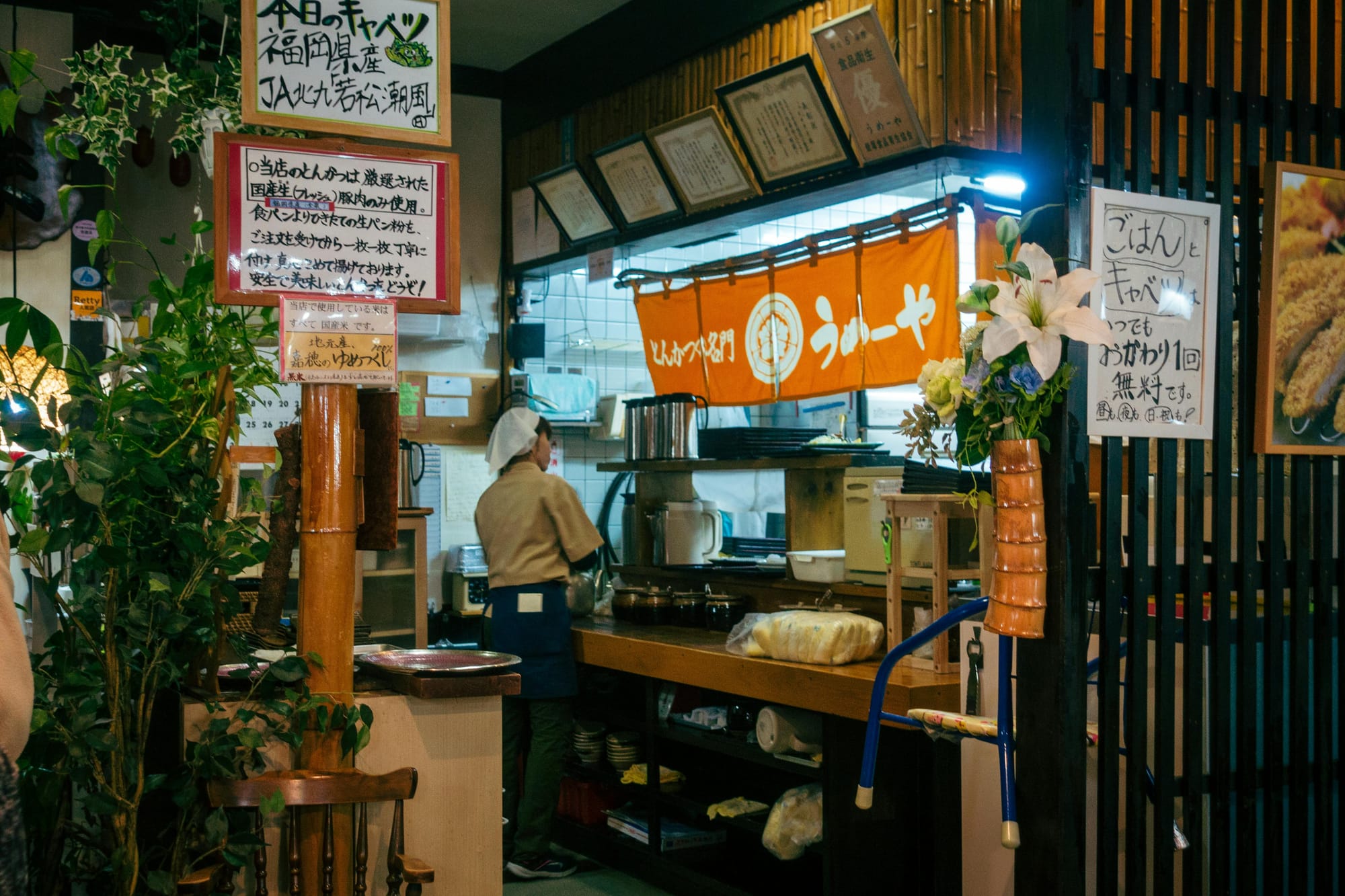
By midday, Fukuoka settles into its middle register. Hakata Station becomes a casual meeting point—bento runs, basement groceries, practical shopping without ceremony. Tenjin’s depachika basements bring polish and scent, turning weekday food into something quietly composed.

Neighborhoods add nuance:
- Daimyo backstreets carry design-forward energy without spectacle
- Nakasu edges tilt toward evening, neon arriving early
- Ohori slows everything down—paths designed for thinking speed
Bicycles appear on flatter stretches. Escalator etiquette follows the flow rather than rules. The city expects to be crossed, not conquered.
Yatai Are Not a Show
They’re Nightly Social Infrastructure
Fukuoka’s famous yatai food stalls work because they’re ordinary. These are decompression zones after work, places where solo diners sit beside friends without friction, where brief exchanges feel complete without performance.
The rhythm is consistent:
- Scan for a seat
- Slide in with a nod
- Order quickly—space is small, hands are busy
Comfort comes from awareness. Bags stay tight. When it’s crowded, people eat with focus and move on when finished. This is how the system stays kind.
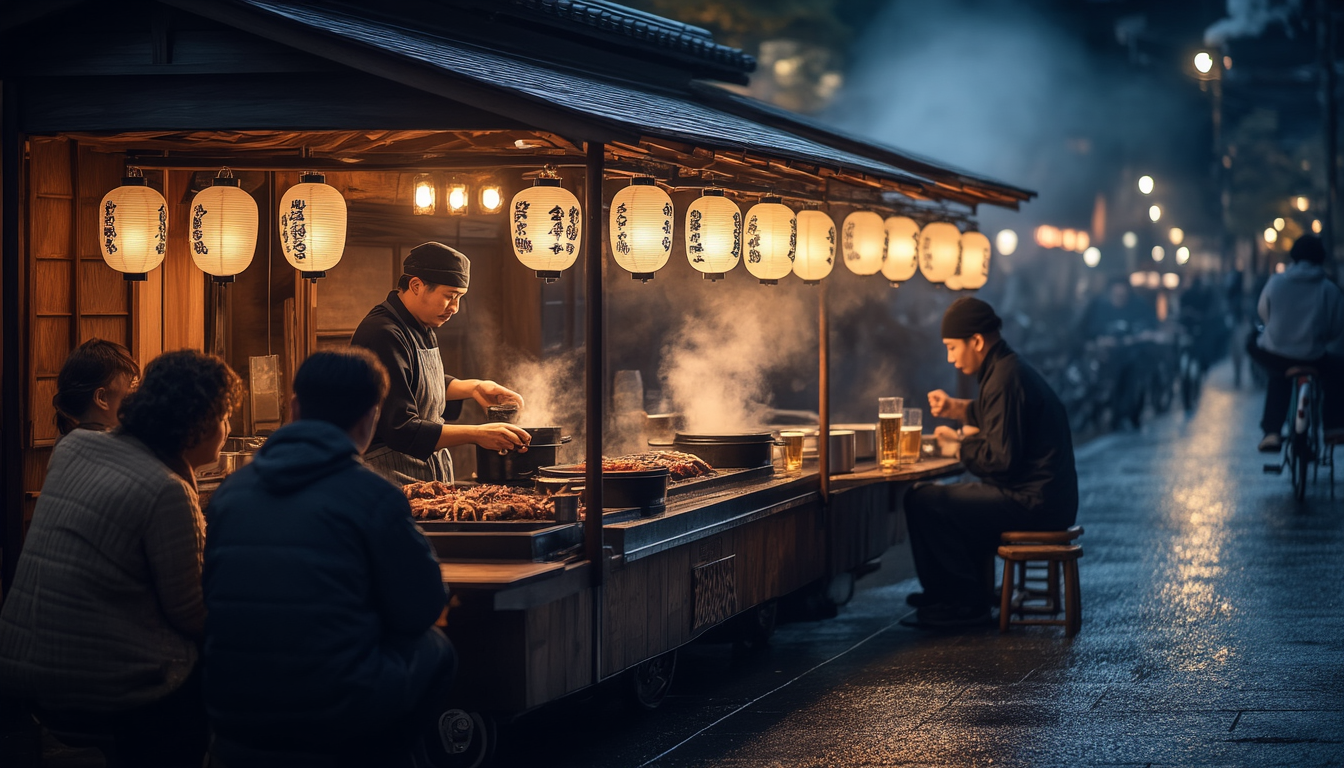
Etiquette here isn’t a rulebook—it’s attention. Start with one drink and one dish. Smoking depends on the stall. Photos are usually fine when discreet and taken after reading the room. Cash still helps, even if the rest of the day felt tap-and-go.
For deeper context on yatai history and regulation, see:
👉 https://www.japan.travel/en/spot/1909/
How to Order, Pay, and Belong for One Evening
At a yatai, the owner sets the tempo. Match it.
The first order is brief—something warm, something to drink. Conversation opens only if it wants to, usually in short exchanges that don’t require fluency. A nod, a thank you, a small laugh do more than explanation ever could.
Food fits the night air:
- Tonkotsu ramen that fogs glasses
- Yakitori arriving in quick succession
- Oden holding heat in broth
- Mentaiko adding salt and sting
Payment is direct. Money changes hands, the seat returns to circulation. It isn’t abrupt—it’s how fairness stays evenly distributed.
Check out more about Fukuoka Yatori's with ByFoods.com
Easy Day Trips That Feel Like Fukuoka
Not a Break from It
Fukuoka’s day trips work because they keep the same temperament. Local trains and buses run with clarity. Stations are designed for real life—lockers, clean platforms, food that travels well.
Popular, well-paced options include:
- Dazaifu – shrine calm and softened attention
- Itoshima – sea air, coastal cafés, horizon resets
- Yanagawa – canals and low, steady quiet
The key isn’t distance—it’s return timing. Coming back before evening preserves appetite, just as lantern light gathers again.
Dazaifu: A Slower Volume
The approach naturally lowers the voice. Trees frame the walk. Pauses replace urgency. Shrine etiquette is understated—quiet bows, optional cleansing, unhurried movement.

Tea and sweets fit the mood without becoming a hunt. The pleasure is unhurriedness itself.
Itoshima: Sea Air Without Spectacle
Itoshima feels like a weekend habit. Cafés face outward, menus built for long stares. Sunset matters—not as a show, but as a signal to head back.
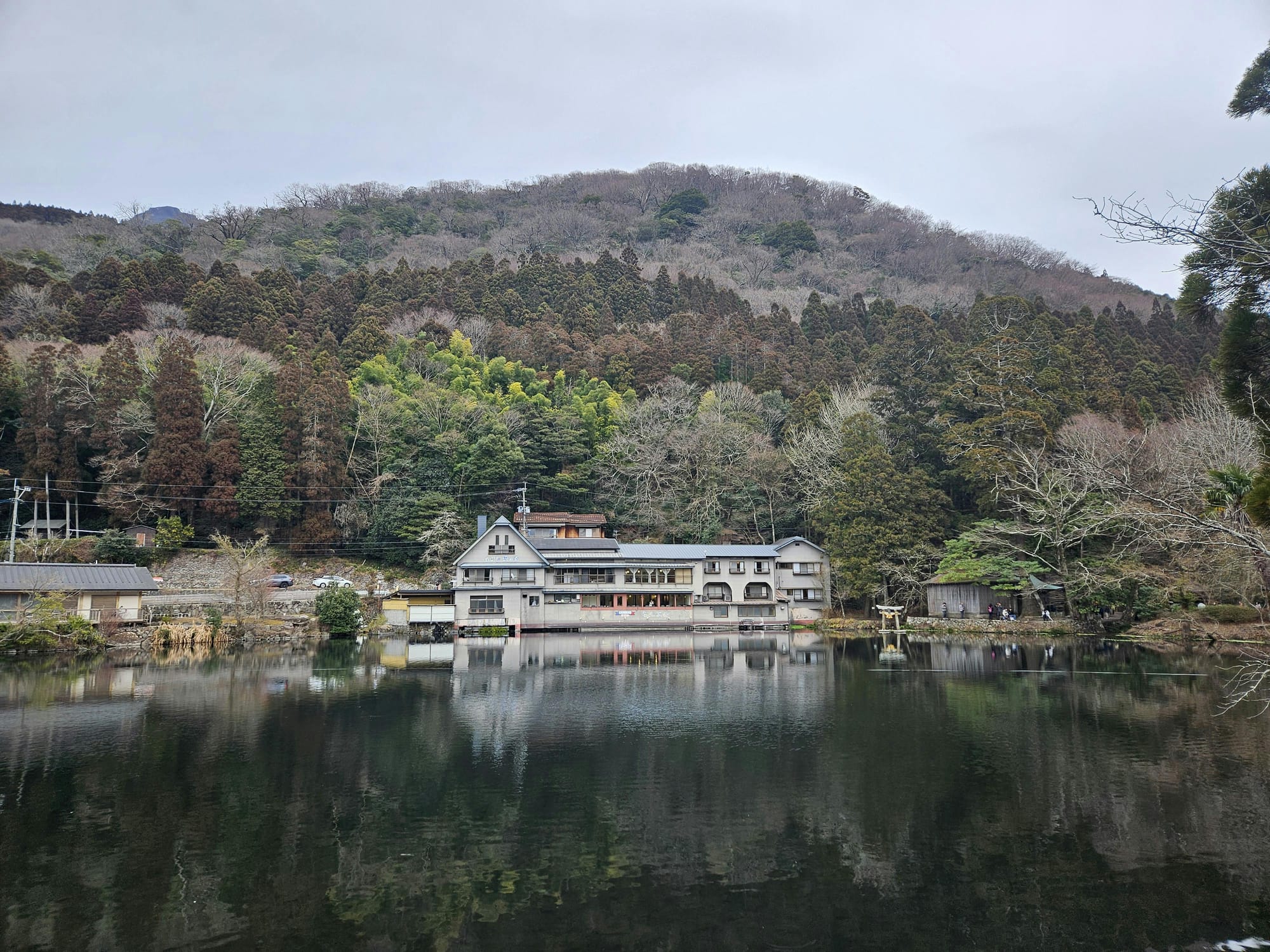
Courtesy stays visible. Parking is tight. Trash is often carried out. Returning to Fukuoka afterward feels like stepping back into a familiar room—hungry in a way that makes dinner taste sharper.
Why Fukuoka Works
The Comfort of Repeatable Rituals
Fukuoka teaches a lesson in scale.
Yatai nights offer warmth without demand.
Day trips widen the week, then fold back in.
For travelers drawn to places that can be lived in, not consumed, Fukuoka rewards attention to routine. It doesn’t ask for awe. It offers belonging—one good hour at a time.
Plan This Destination with Care
If you’d like Fukuoka planned at the right pace, in the right season, with cultural context and logistics handled quietly and well, Sara Chan specializes in culturally immersive travel that respects the rhythm of place.
Plan Your Next Trip with with Sara Chan
Independent Fora Travel Advisor
Curated journeys · Cultural depth · Thoughtful pacing
Explore bespoke, culturally immersive travel planning with an independent Fora Travel Advisor.
👉 https://www.foratravel.com/advisors/sara-chan
👉 https://sara-chan.link
No spam. Unsubscribe anytime. Sign up for Wanderlust Tapestry.
Check out more about Fukuoka Yatai's for your next visit to Japan at ByFoods.com.
If you’d like this destination planned with care, at the right pace, in the right season, Sara Chan specializes in culturally immersive travel that respects the rhythm of place while handling the logistics seamlessly.
More resouces:
https://www.foratravel.com/advisors/sara-chan
https://sara-chan.link